Best Waterproofing for Leather Work Boots: Wax or Spray?
As an Amazon Associate, BetterPick Hub earns from qualifying purchases on Amazon.ca.
As an Amazon Associate, BetterPick Hub earns from qualifying purchases. Our picks are based on manufacturer specifications, not hands-on testing.
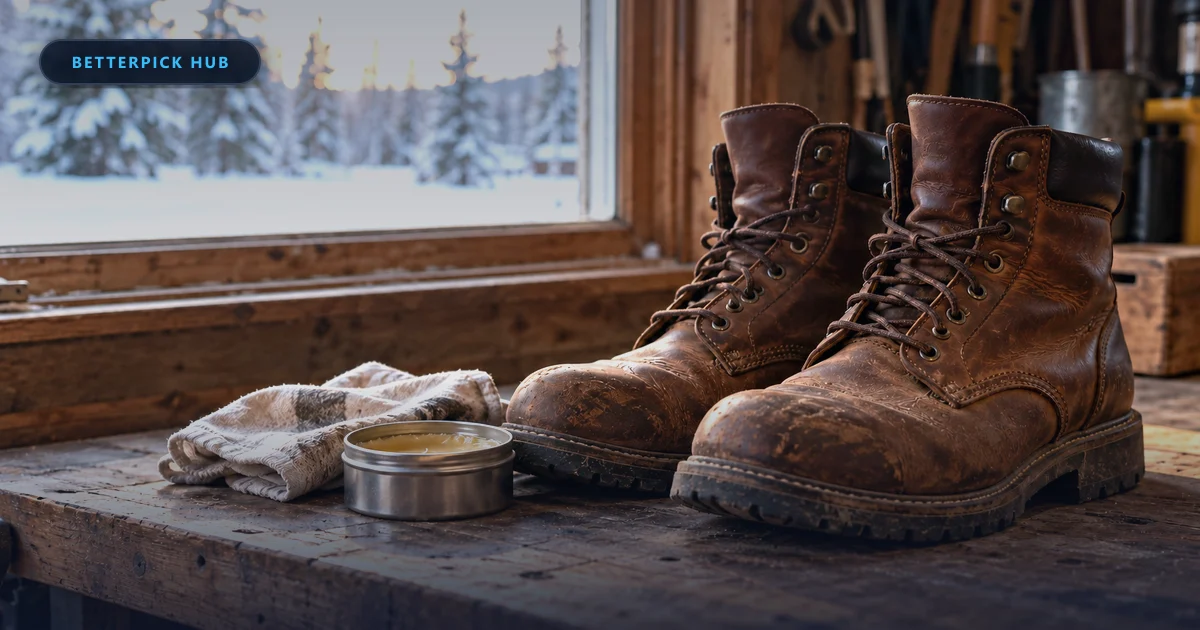
This guide is for Canadian workers with leather work boots who are tired of wet socks by lunch: trades on slushy sites, farm and yard workers, and anyone walking through salt and snowmelt all winter. The short answer: match the product to your boot’s leather first, then pick a type. A beeswax like Sno-Seal suits smooth full-grain leather if you accept darker boots. A preservative paste like Obenauf’s Heavy Duty LP suits full grain, top grain and nubuck. A cream like Nikwax Waterproofing Wax for Leather suits smooth leather with no heating step. For nubuck and suede, use a product made for them, such as Nikwax Nubuck & Suede Proof or Atsko Silicone Water-Guard.
Before you open any jar, check your boot maker’s care guide and warranty. Boot makers publish their own care routines by leather type, and some warranties exclude damage from chemicals or liquids and from poor cleaning and conditioning. More on that below.
None of the picks here comes from using the products. They are a curation of what each manufacturer publishes about its product, leather types and directions.
Quick Picks
- If you need Atsko’s most durable option for smooth full-grain leather and don’t mind darker boots: Sno-Seal Original Beeswax Waterproofing
- If you need a hand-applied paste for full grain, top grain or nubuck work boots that see water, salt and chemicals: Obenauf’s Heavy Duty LP Leather Preservative
- If you need a quick, no-heat treatment for smooth leather boots with a waterproof membrane: Nikwax Waterproofing Wax for Leather
- If you need to treat nubuck or suede boots without flattening the texture: Nikwax Nubuck & Suede Proof (Spray-On)
- If you need a spray for suede, rough-out or silicone-tanned leather: Atsko Silicone Water-Guard
- Who should not buy any of these yet: anyone whose boot maker specifies its own care product or warns against a treatment type. Follow that guide first, because your warranty terms are set by the boot maker, not by the waterproofing brand.
Wax, Grease, Cream or Spray: The Comparison
| Product | Type | Leathers the maker lists | Not for | Heat or prep step | Darkening note | Size(s) |
|---|---|---|---|---|---|---|
| Sno-Seal Original Beeswax | Beeswax wax | Smooth full-grain (Atsko’s top pick for it) | Suede (not recommended) | Preheat boots to about 120°F max | Will darken leather, permanently | 8 oz jar |
| Obenauf’s Heavy Duty LP | Oil, beeswax and propolis paste | Full grain, top grain, nubuck | Suede (not recommended) | Clean, dry boots at room temperature | Test in a hidden area if colour change is a concern | 4 oz, 8 oz, 128 oz |
| Nikwax Waterproofing Wax for Leather | Cream | Smooth leather only | Nubuck, suede | Clean with Nikwax Footwear Cleaning Gel first | Light or coloured leather may darken | 100ml |
| Nikwax Nubuck & Suede Proof | Water-based spray-on | Nubuck, suede | Not listed | Apply to clean, wet footwear | Light or coloured leather may darken | 125ml |
| Atsko Silicone Water-Guard | Silicone spray | Leather, suede; Atsko recommends it for silicone tanned and rough finished leather | Not listed | Clean, dry material; dries in 24 hours | Can yellow white or light materials | 10.5 oz aerosol, 1 gallon |
Quick Terms: DWR (durable water repellency) is the term Nikwax uses for a finish that stops material from soaking up water. PFAS-free means the maker states the product has no PFAS chemicals.
Sno-Seal Original Beeswax Waterproofing
Who it suits: workers with smooth full-grain leather boots who want the most durable water protection Atsko offers and don’t care if the boots turn darker.
Atsko says Sno-Seal “protects leather from rain, sun, snow, and salt.” Its care guide states that Sno-Seal provides maximum waterproofness and durability for smooth full-grain leather footwear. After it dries, the wax stays put in the surface of the leather rather than soaking deeper, and Atsko gives its melt point as about 146°F.
Why this matters: Atsko notes that a typical leather boot can soak up to a pound of water.
The application is more involved than the other picks. Atsko’s directions:
- Start with clean, dry boots. For new boots, Atsko suggests washing with Sport-Wash or a mild liquid dish soap and letting them dry completely.
- Preheat the boots with a heat lamp, sunny window or hair dryer, without going past a comfortable handling temperature (around 120°F).
- Rub the wax in liberally, and apply as much as the leather will absorb.
- Remove the excess with a rag.
The trade-offs are clear in Atsko’s own words. “It will darken leather,” and the change is visible and permanent. It is not recommended for suede, because it will darken and flatten the nap. Atsko says Sno-Seal can also go on split, sanded, suede, rough and recycled leather, but those turn darker and slicker.
What buyers say: we could not find a buyer review source for Sno-Seal that we could cite, so read the current reviews on the product page before you buy.
Obenauf’s Heavy Duty LP Leather Preservative
Who it suits: people with full grain, top grain or nubuck work boots who want a conditioner and water repellent in one paste, applied by hand.
Obenauf’s describes Heavy Duty LP as “an industrial strength leather preservative paste best used for conditioning full grain leather, top grain, and nubuck.” It is made with natural oils, beeswax and propolis, and the maker says it repels water, acids, petroleum, salt and chemicals. It contains no petroleum, solvents, paraffin or mink oil. The listed uses include work boots for welding, farming, hunting and firefighting.
The nubuck listing stands out. Sno-Seal and the Nikwax wax are both pointed away from napped leathers, while Obenauf’s lists nubuck on its product page. It still says the paste is not recommended for suede.
Obenauf’s directions:
- Apply to clean, dry boots at room temperature, by hand. Body temperature helps melt it into the leather.
- Condition lightly approximately every six to eight weeks.
- In severely wet conditions, two applications last longer. Allow 1 hour between treatments and buff off the excess.
- Test in a hidden area if colour change is a concern.
Obenauf’s also warns that temperatures over 100 degrees may harm leather, and to never heat leather in an oven or near a fire. That is a different approach from Sno-Seal’s warm-the-boot method, so follow each maker’s own directions rather than mixing them.
What buyers say: we could not find a buyer review source for Heavy Duty LP that we could cite, so check the current reviews before you buy.
Nikwax Waterproofing Wax for Leather
Who it suits: owners of smooth leather boots with a waterproof membrane who want a quick treatment with no heat and no aerosol.
Nikwax calls this a cream for all smooth leather footwear and gloves. It is non flammable, PFAS-free and aerosol free. Nikwax recommends it for Gore-Tex, eVent, BDRY and other waterproof leather footwear.
That membrane point matters. Atsko’s boot care guide says Gore-Tex liners do nothing to protect the outer leather from soaking up water. A membrane boot still benefits from treating the leather on the outside.
Nikwax’s directions:
- Clean the boots with Nikwax Footwear Cleaning Gel. Nikwax says conventional detergents leave a water-absorbent film that masks water repellency.
- Rub the wax into the clean leather with the sponge applicator or your fingers, paying special attention to seams.
- After 2 minutes, remove the excess with a damp cloth and buff.
- The boot is water-repellent right away, but for best results let it dry naturally before use.
Limits: it is for smooth leather only, and Nikwax says not to apply it to nubuck or suede. Light or coloured leather may darken, so test a hidden area first.
What buyers say: we could not find a buyer review source for this product that we could cite, so check the current reviews before you buy.
Nikwax Nubuck & Suede Proof (Spray-On)
Who it suits: anyone with nubuck or suede work boots, which several of the wax and paste products above are not recommended for.
Nikwax describes Nubuck & Suede Proof as water-based waterproofing for nubuck and suede footwear that maintains the texture and breathability of those materials. It comes in spray-on and sponge-on versions, and it is PFAS-free and non flammable. Nikwax recommends it for Gore-Tex, eVent, Sympatex and other waterproof nubuck and suede footwear.
Nikwax’s directions are short:
- Clean the boots with Nikwax Footwear Cleaning Gel.
- Apply to clean, wet footwear from 6 inches (15cm).
- After 2 minutes, remove the excess with a cloth.
- Let it dry naturally before use.
Applying to wet boots means you can treat them right after cleaning, without waiting for them to dry. As with the Nikwax wax, light or coloured leather may darken, so test a hidden spot first.
What buyers say: we could not find a buyer review source for this product that we could cite, so check the current reviews before you buy.
Atsko Silicone Water-Guard
Who it suits: people who want a spray for suede, rough-out or silicone-tanned leather, and accept less water resistance than a wax.
Atsko calls Silicone Water-Guard an all-purpose waterproofing spray and lists boots, shoes, leather and suede among the materials it works on. In its leather care guide, Atsko recommends it for silicone tanned and rough finished leather. It is PFAS-free, and it comes as a 10.5 oz aerosol or a 1 gallon size.
Atsko is direct about the trade-off: silicones offer easy application but less water resistance and protection than Sno-Seal. Think of it as the easier option, not the most protective one.
Atsko’s directions:
- Apply to clean, dry material and wait until it is fully cured before use.
- It dries in 24 hours and is fully cured and odourless in 72.
- Spot test first. It can yellow white or light-coloured materials, so treat a hidden area and wait 24 hours.
Plan around the drying time. If you need the boots for tomorrow’s shift, treat them at the start of a weekend or days off.
What buyers say: we could not find a buyer review source for this product that we could cite, so check the current reviews before you buy.
How to Choose and Apply Without Damaging Your Boots
Step 1: Read your boot maker’s care guide and warranty
Boot makers set their own care routines by leather type. Red Wing, for example, says to choose a conditioner based on your boot type. Its oil-tanned leather routine is to clean, condition with All Natural Boot Oil, Mink Oil or All Natural Leather Conditioner, then protect with Leather Protector. Its routine for waterproof, oiled and waxed leather uses Mink Oil, which it says will darken leather and should be used sparingly.
Warranties matter too. JK Boots, for example, lists damage caused by chemicals or liquids, and failure to properly maintain the product (including poor cleaning and conditioning), among its warranty exclusions. Your boot brand’s terms may differ, so read them before you use a treatment the boot maker doesn’t mention.
Quick Takeaway: Find your boot’s leather type on the maker’s product page or tag, read the maker’s care guide, then pick a waterproofing product whose own label lists that leather.
Step 2: Match the product to the leather
- Smooth full-grain or smooth leather: Sno-Seal, Obenauf’s Heavy Duty LP or Nikwax Waterproofing Wax for Leather.
- Nubuck: Nikwax Nubuck & Suede Proof, or Obenauf’s Heavy Duty LP, which lists nubuck. The Nikwax wax says not to use it on nubuck.
- Suede and rough-out: Nikwax Nubuck & Suede Proof or Atsko Silicone Water-Guard. Sno-Seal and Obenauf’s both say they are not recommended for suede.
Step 3: Clean first, every time
All five products start with clean boots. Atsko suggests mild soap and complete drying before Sno-Seal. Nikwax directs you to its Footwear Cleaning Gel before both of its products. Obenauf’s and Atsko’s Water-Guard call for clean, dry boots.
Step 4: Dry wet boots the slow way
Atsko’s boot care guide says heat forces moisture out of leather too quickly, and the leather hardens and shrinks. It recommends low or no heat with airflow, which can take about two days for a fully soaked boot. Red Wing also says to air-dry at room temperature and avoid radiators or hair dryers. Sno-Seal’s controlled warm-up is part of applying the wax, not a way to dry a soaked boot.
If you’re drying boots after every wet shift, a second pair to rotate gives each pair time to dry. For winter boots built for the cold, see our guide to insulated winter work boots for Canadian jobsites.
Step 5: Test, then expect some colour change
Every product here carries a colour warning of some kind. Sno-Seal will darken leather permanently. Obenauf’s and both Nikwax products say to test a hidden area. Silicone Water-Guard can yellow light materials. Do a small test spot on the inside of the collar or the tongue before treating the whole boot.
If your boots are the problem
A treatment can only do so much for a boot that doesn’t suit your job. If you’re shopping for a new pair, start with our guide to the best work boots for Canadian job sites, and check the leather type on the boot’s product page so you know which treatment it will take.
Who Should Buy What
- Smooth full-grain boots, Atsko’s most durable option, darkening is fine: Sno-Seal Original Beeswax Waterproofing
- Full grain, top grain or nubuck boots, hand-applied paste: Obenauf’s Heavy Duty LP Leather Preservative
- Smooth leather membrane boots, quickest no-heat treatment: Nikwax Waterproofing Wax for Leather
- Nubuck or suede boots, keep the texture: Nikwax Nubuck & Suede Proof (Spray-On)
- Suede, rough-out or silicone-tanned leather, easy spray: Atsko Silicone Water-Guard
- Anyone with a boot maker care guide that names a product: use the boot maker’s recommendation first
Sources & Technical References
- Sno-Seal Wax (Atsko)
- How to Apply Sno-Seal (Atsko)
- Proper Care of Hardworking Leather (Atsko)
- Boot Care 101: Drying & Waterproofing Leather Boots (Atsko)
- Heavy Duty LP Leather Preservative (Obenauf's)
- How To Apply Obenauf's
- Waterproofing Wax for Leather (Nikwax)
- Nubuck & Suede Proof (Nikwax)
- Silicone Water-Guard (Atsko)
- How to Properly Care for Your Red Wing Boots
- Oil-Tanned Leather Care (Red Wing)
- Waterproof, Oiled & Waxed Leather Care Guide (Red Wing)
- Warranty Policy (JK Boots)
Related Safety Boots Guides
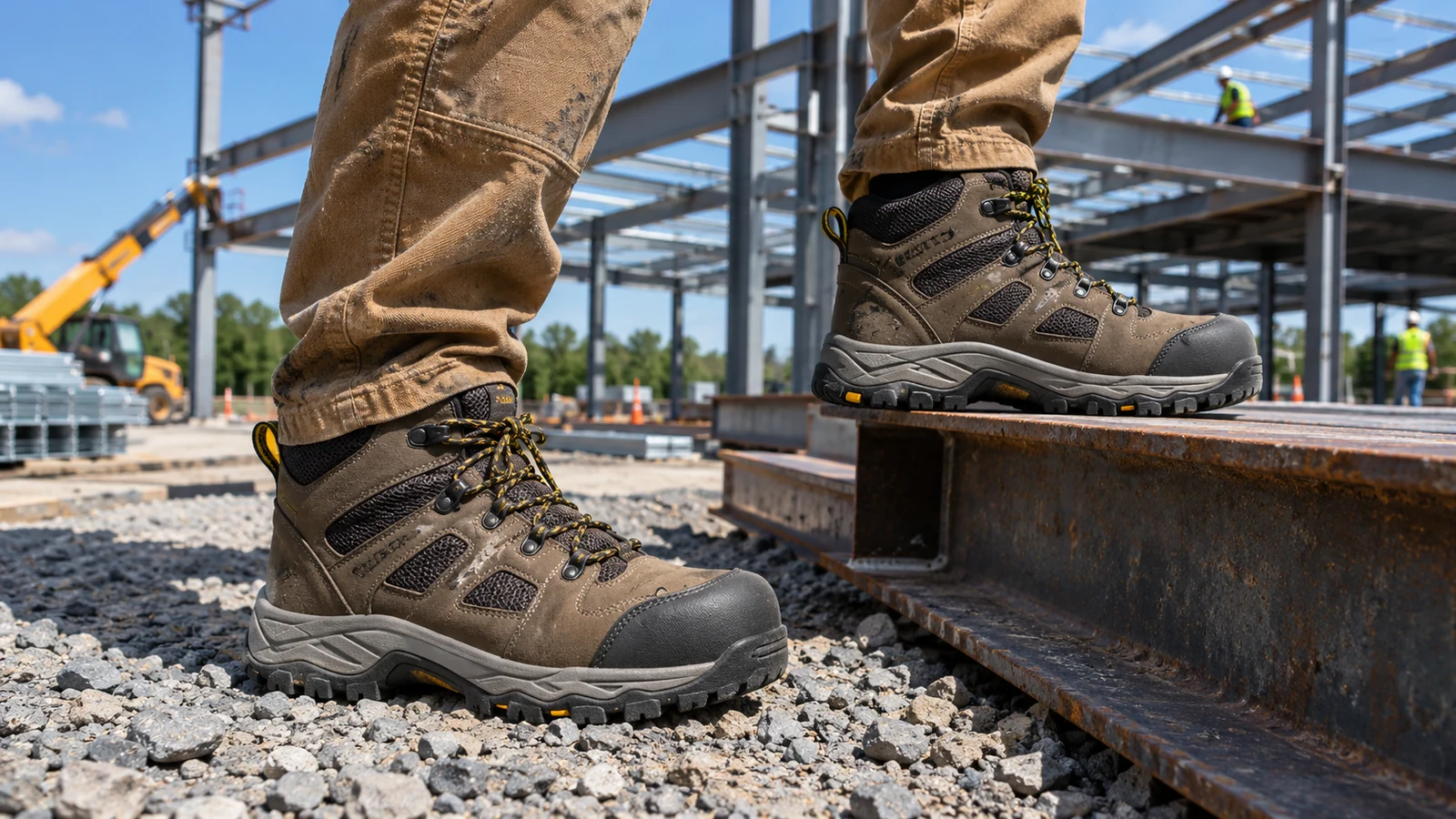
Best Hiker-Style Safety Boots in Canada: 4 Top Picks
Compare 4 CSA Grade 1 hiker-style safety boots in Canada for agility and comfort, evaluating toe caps, puncture plates, waterproofing, and slip resistance.
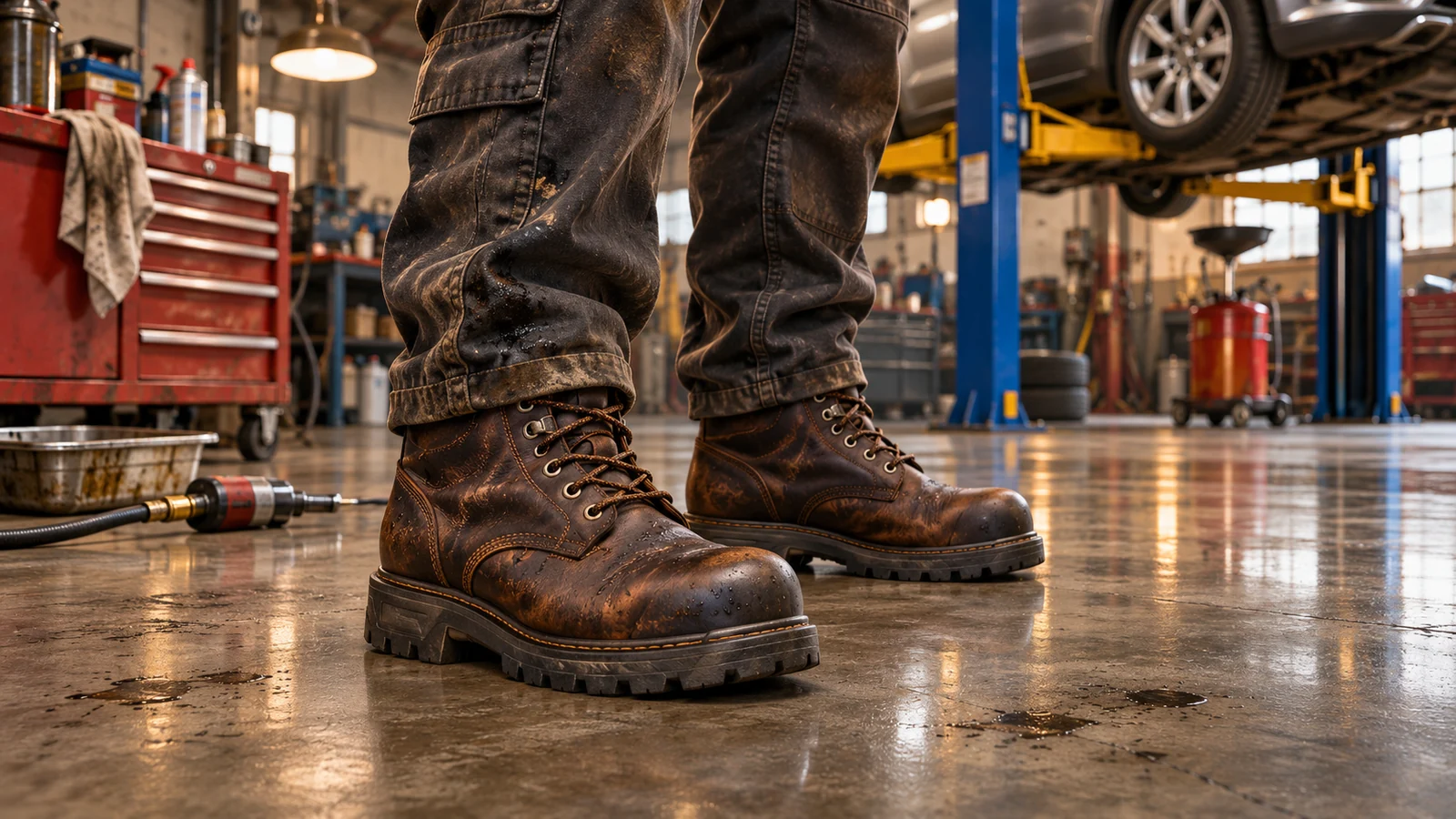
Best Work Boots for Mechanics: 5 Oil-Resistant CSA Picks
Work boots for mechanics compared: five CSA Grade 1 boots and shoes with listed oil- and slip-resistant outsoles, by toe type, ESR or SD, weight and upper.
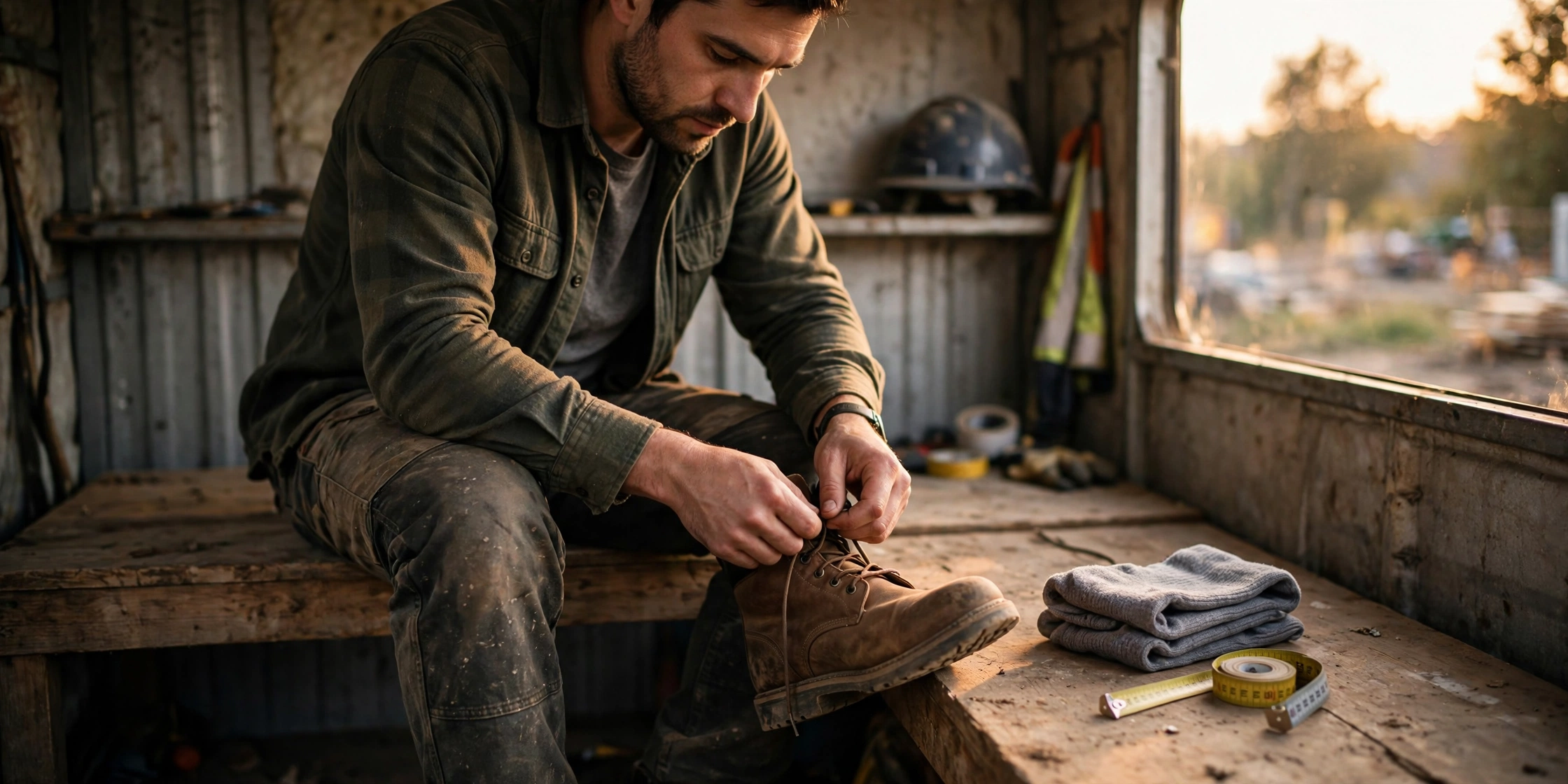
How Should Safety Boots Fit? A CSA Boot Sizing Guide
How safety boots should fit: toe room, width, heel hold and when to measure, from CCOHS and brand fit guides, plus three CSA boots sold in many sizes and widths.